Built for wholesale
Sell in pack multiples
Prime MOQ can require quantities in exact multiples of your case pack, so an order always matches a whole box. The product page opens on a valid quantity and steps in your pack size, and a Shopify Function checks the multiple again in the cart and at checkout.
A candle maker ships boxes of 6. The box is the shipping unit, the insert is cut for 6, and the freight quote assumes 6.
An order for 8 candles means a second half-empty box, extra filler and a shipping cost that quietly eats the margin on both boxes.
Selling in multiples of 6 makes the box and the order the same thing, and the stepper on the product page moves in sixes.
The rule
Multiples of 6
- Limit type
- Quantity
- Scope
- Product: boxed candles
- Multiples of
- 6 units
- Minimum
- 6 units
- Message
- Sold in packs of 6
In the app this is the Sell only in case packsquick-start template, already filled in.
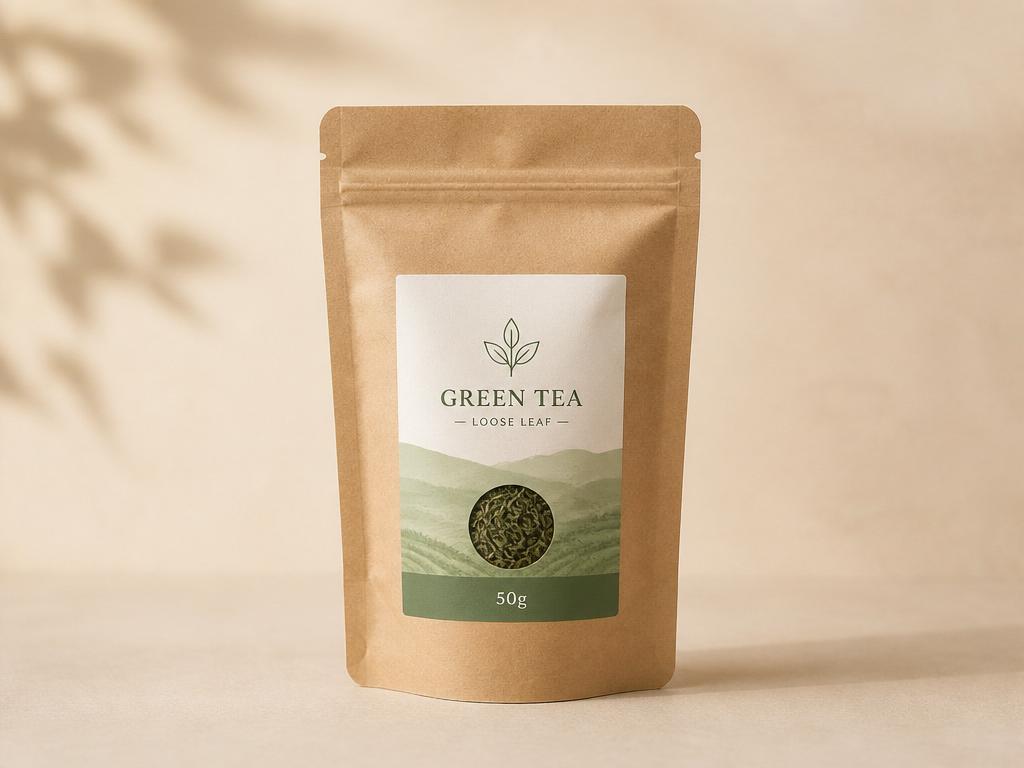
Wholesale Green Tea 50g
$12.50 - per unit, 0.5 lb
$100.00 in cart
For bulk orders, please click Contact us
Live demo - this is exactly what your customers see.
- Included
Every order matches a whole box, so packing stays predictable.
- Included
Combine multiples with a minimum in the same rule, no second app.
- Included
Works per product, variant, collection or tag.
Merchant profile
A candle maker selling to gift shops, florists and homeware boutiques. Production runs in batches, and everything downstream of the pour is built around a box of six: the insert is die-cut for six, the carton is sized for six, the freight class assumes six.
The box is not packaging. It is the unit the business actually operates in, and the storefront is the only place where that is not true.
The challenge
An order for eight candles is not eight candles. It is one full box and one box holding two, with four empty wells that still have to be filled with something so the contents survive the journey.
The second box costs a carton, an insert, filler and a freight slot, and none of that was priced into the order. The margin on both boxes goes to protecting two candles.
What they needed
- Make the order and the box the same object, so packing never has to improvise.
- Keep the rule visible on the product page rather than sprung at checkout, because a wholesale buyer planning a range order needs to plan in boxes.
- Allow different pack sizes per variant without maintaining a separate rule for every product.
Why it costs money
A part-filled box costs more than a full one. It uses the same carton and insert, adds filler, and carries a higher damage risk because loose contents move, which is the one thing a candle must not do.
The cost is also invisible at the moment of sale. Nothing on the order screen says that this particular order needs a second carton, so the loss is discovered in packing and never traced back to the quantity that caused it.
Approaches that fail
Rounding the order up in the warehouse and absorbing the difference
It gives away product to hide a pricing problem. Do it consistently and the giveaway becomes the expectation; do it inconsistently and two customers who ordered the same thing receive different quantities.
Setting a minimum without a multiple
A minimum of 12 still permits 13. The floor solves the small-order problem and leaves the part-box problem completely untouched, which is the more expensive of the two.
Explaining the pack size only in the wholesale terms page
Terms pages are read once, at account setup, and never again. The rule has to be present at the moment the quantity is chosen, not filed somewhere the buyer visited months ago.
Weighing the options
| Approach | Prevents part boxes | Visible while choosing | Handles per-variant packs |
|---|---|---|---|
| Rounding up in the warehouse | Yes, by giving stock away | No, the buyer never learns | No, it is a manual judgement |
| A minimum with no multiple | No, 13 still passes | Partly, the floor is shown | No, it is a single threshold |
| A quantity rule with a multiple | Yes, the total must divide | Yes, the stepper moves in packs | Yes, scoped per variant |
The rule they chose
A multiple of 6 on the boxed candles, with the minimum set to the same number so a single box is the smallest valid order. One rule carries both, which is what keeps the two conditions from ever disagreeing.
Variants that ship in twelves carry their own rule at the variant level. The most specific scope wins, so the twelve-pack rule overrides the collection rule without anyone having to remove the product from the collection.
What the buyer sees
The stepper is the main event here. It opens at six and moves in sixes, so a buyer choosing a quantity is choosing between boxes rather than being corrected afterwards.
The cart check is the backstop for everything the stepper cannot reach: a typed quantity, a drawer cart, a Buy Now link, a restored cart from another session.
What could go wrong
- RiskA retail customer wants a single candle
- MitigationKeep single-unit variants outside the pack rule, so the same catalogue sells one candle to a consumer and six to a boutique.
- RiskThe multiple and the minimum are set to fight each other
- MitigationKeep them in one rule and set the minimum to a multiple of the pack size, so the smallest valid order is always a whole number of boxes.
- RiskA buyer reads the stepper as broken
- MitigationState the pack size in the app block next to the stepper, so jumping from six to twelve looks intentional rather than like a bug.
What to take away
- 1
A minimum and a multiple solve different problems, and shipping only the minimum leaves the expensive one in place.
- 2
Put the rule in the stepper, because a rule the buyer meets while deciding is guidance and the same rule met at checkout is an obstacle.
- 3
Scope per variant when pack sizes differ, so the catalogue can carry sixes and twelves without a rule per product.
Questions
Questions merchants ask
- How do I sell only in packs of a fixed size on Shopify?
- Set a quantity rule with a multiple equal to your pack size. The product page opens on a valid quantity and its stepper moves in that increment, and a Shopify Function checks the multiple again in the cart, so an order always adds up to whole boxes.
- What happens if a customer edits the quantity by hand?
- The cart refuses it. The stepper is a convenience, not the enforcement, so typing 8 where the pack is 6 fails the same check that a drawer cart or a Buy Now link would fail. The buyer is told the pack size and the nearest valid quantity rather than just being blocked.
- Can I combine a pack multiple with a minimum?
- Yes, in one rule and without a second app. A rule can require a minimum of 12 and multiples of 6 at the same time, which is the common wholesale shape: never less than two boxes, and never a part box. Both conditions are checked together at checkout.
- Does selling in multiples work per variant?
- Yes. Scope is per product, variant, collection or tag, so a 6-pack variant and a 12-pack variant of the same candle can carry different increments. The most specific scope wins when rules overlap, so a variant rule takes precedence over a collection rule.
- Will pack rules break my existing theme?
- No. There is no theme code to install, because the storefront message renders from an app block you position yourself. The enforcement lives in a Shopify Function rather than in Liquid, so a theme update cannot quietly remove it.
More case studies
Five other stores, five other rules
Every quick-start template in the app has a story behind it. Here are the rest.
Minimum order quantity
A beverage wholesaler stops buyers breaking a case of 6.
Maximum order quantity
A parts retailer stops one order clearing the shelf.
Minimum order value
A B2B food supplier refuses carts that lose money.
Weight limits
A tile store keeps carts inside what the carrier will take.
Limit quantity per customer
A collectibles brand stops resellers coming back for more.